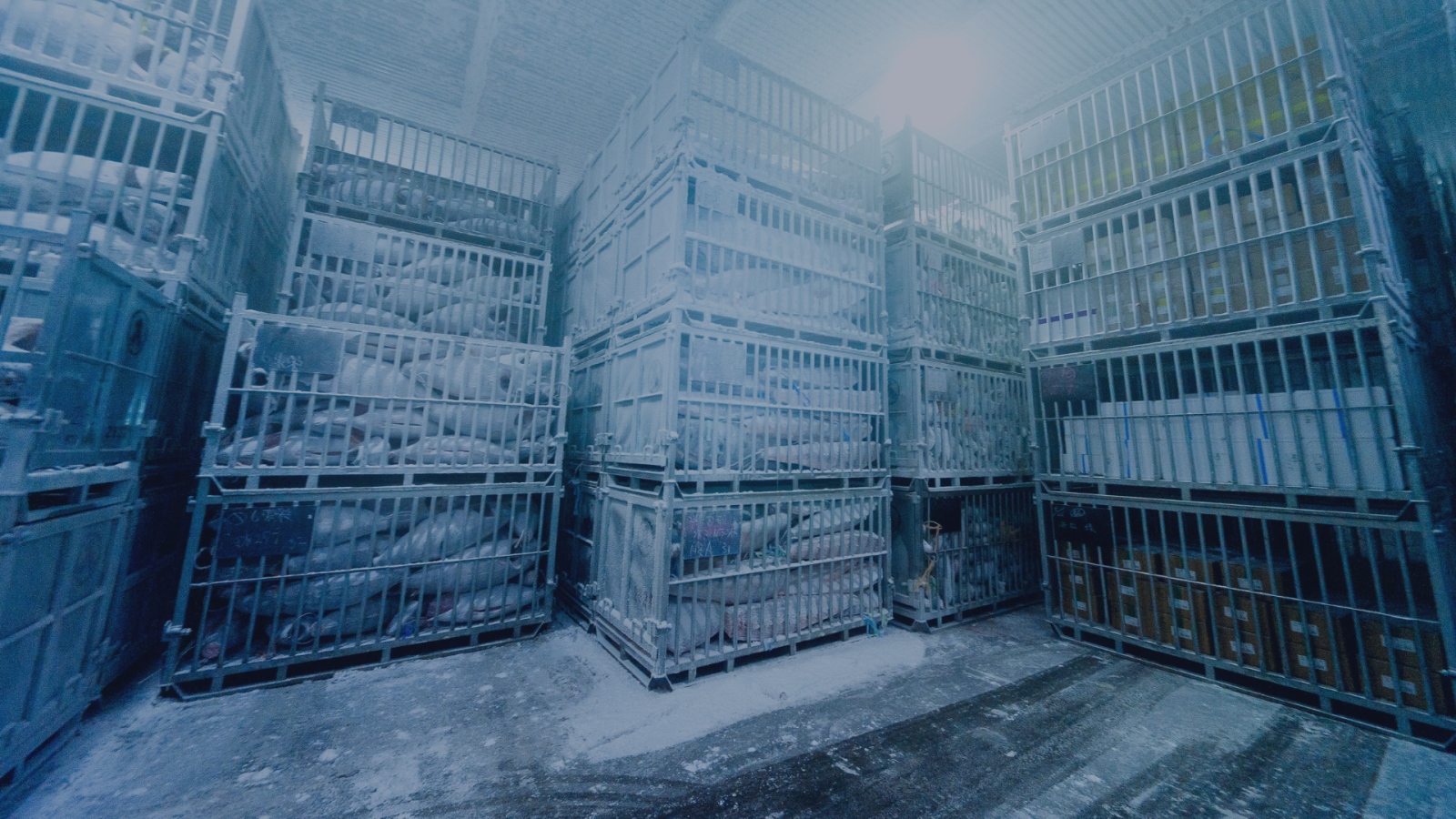
Yes, air curtains can meaningfully cut cold store energy costs
By reducing air exchange between the cold store and the ambient loading area, a cold store air curtain lowers the workload placed on refrigeration systems. Less warm air gets in, less cold air escapes, and the compressor spends less time and energy recovering lost temperature after every door opening. Over the course of a year, that adds up to a measurable reduction in running costs.
Why open doorways are such an energy drain
Refrigeration systems are sized and controlled to maintain a set-point temperature. Every unprotected door opening introduces a temperature swing that the system then has to correct for. In a cold store handling continuous logistics traffic, this isn't an occasional event — it's a near-constant one, which means the refrigeration plant is regularly working outside its optimal, steady-state load.
The bigger the temperature differential between the cold store and the ambient area — often 30–40°C between a frozen store and a loading bay — the more energy it takes to recover from each exchange of air.
How a cold store air curtain reduces that load
A cold store air curtain produces a controlled, high-velocity stream of air across the doorway, forming an air barrier that keeps the two climates separated even while the door is open. Because staff, forklifts and pallet trucks can move straight through this barrier without needing to stop and operate a physical door, the doorway stays in constant logistical use while the temperature behind it stays largely protected.
Biddle's DoorFlow2 Cold Store air curtain is purpose-built for exactly this kind of application, delivering climate separation between supermarket cold stores and the ambient environment they open onto. It's fitted with Biddle's patented rectifier technology, which increases the length of the airstream by 40%, producing a straight, convergent stream of air across the full width of the doorway to eliminate convection and reduce the mixing of warm and cold air. The unit is designed for ambient discharge and installs on the ambient side of the cold store or chilled room, working automatically via an optical door switch that runs the air curtain whenever the door is open and stops as soon as it closes. By reducing the workload placed on chillers and refrigeration units, the DoorFlow2 Cold Store cuts energy costs by minimising temperature losses at the doorway, while also requiring low levels of maintenance once installed.
For smaller or more constant-temperature applications such as chilled rooms in production facilities, distribution centres, or smaller in-store cold areas, a unit like Biddle's IsolAir2 delivers efficient climate separation without requiring heating, keeping energy consumption to a minimum while still allowing the doorway to remain in use.
Energy savings aren't the only return
Lower energy costs tend to come bundled with other operational benefits:
- Reduced strain on refrigeration equipment, as compressors cycle less frequently and less severely, which can extend equipment life and reduce maintenance costs
- Lower risk of product spoilage, since more stable temperatures reduce the chance of goods drifting out of their required range
- Faster logistics, because staff and vehicles aren't waiting on doors to open and close
Getting the return you'd expect
The energy savings an air curtain delivers depend heavily on correct specification — doorway size, temperature differential, frequency and duration of door use, and whether the application is a full cold store or a smaller chilled room all affect which unit is appropriate. An undersized or poorly matched air curtain won't deliver anywhere near its potential savings, which is why getting the specification right at the outset matters as much as the technology itself.